If you enjoy drawing, understanding which type of pen can enhance your artwork is key to staying motivated. Exploring gel and ink pens helps you pick tools that match your style, boosting confidence and making your projects more satisfying. I’m sharing my take on gel vs ink pens for drawing, breaking down their main strengths and where they might have limitations. Learning about both options can save you time, money, and a little bit of frustration when it comes to your next art project.
What’s the Big Difference Between Gel Pens and Ink Pens?
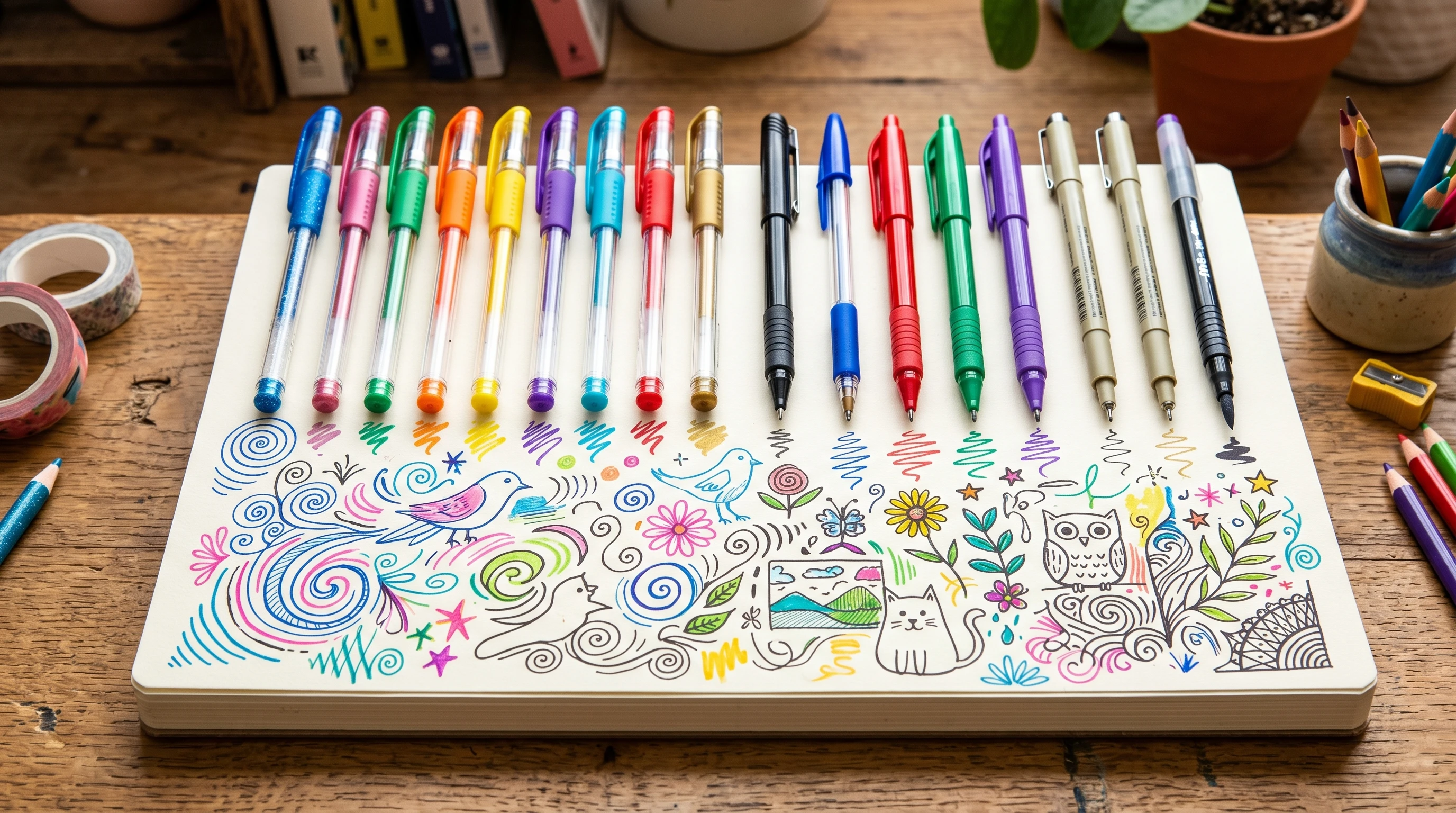
The first question artists often have is about what really separates gel pens from ink pens. While both use ink and sit comfortably in your hand, certain art styles, such as detailed line work or vibrant coloring, benefit more from one than the other. Gel pens excel in adding bold, colorful accents, whereas ink pens are ideal for precise, fine lines. Clarifying these uses can help you choose the right tool for your specific art style, sparking curiosity to experiment and find what works best for you.
The types of ink impact how your art looks on the page. Gel pens tend to produce more vibrant colors and can handle layering for highlights and details. Ink pens shine for outlining, inking, or when you want super crisp, consistent lines. Depending on your drawing style, you might favor one or the other or even use a combination to get the best of both worlds, encouraging you to explore different techniques and expand your artistic possibilities.
Gel Pens for Drawing: Pros and Cons
Gel pens have become super popular for doodling, coloring, and adding accents to illustrations. Here are some things to know if you’re thinking of using gel pens for your next drawing session:
- Vibrant color range: Gel pens come in every color under the sun, including neon, metallics, and glitter. That’s why many artists use them for highlights or fun details.
- Bold, creamy lines: The gel ink flows more slowly, which can give you thicker, more visible lines. Super handy for bold outlines and filling smaller sections.
- Layering and blending: Some artists like to layer or blend colors while the ink is wet. Gel ink sometimes lets you do this, though the blending isn’t as smooth as with markers.
- Quick drying (but not always): Depending on the brand, some gel pens dry fast, but others tend to smudge if you’re not careful, especially if you layer thickly or draw quickly by hand over the page.
- Best for details, not for big fills: Gel pens sometimes skip or run out when you try to fill large areas because the gel can clog or dry out in the tip.
Where Gel Pens Work Best
My experience with gel pens has been positive when working on smaller illustrations, journal doodles, or anything that needs that shine or pop from hints of color. The fun finishes, like metallic or glitter, stand out in art prints and greeting cards. They can also give your cards and posters a boost when you want that extra eye-catching look. Consider whether your projects could benefit from these effects to decide if gel pens are right for you.
Where Gel Pens Might Fall Short
I notice gel pens can skip if I’m not careful or if the paper is very smooth or too textured. They’re also known for running out sooner, since the ink flow is thicker, and they aren’t always as water-resistant as other options. If you’re trying to fill a big area or want perfectly even color, gel pens can be a little frustrating. Knowing these challenges can help you troubleshoot and stay patient as you develop your skills, making you feel more prepared and resilient in your art journey.
Ink Pens for Drawing: Pros and Cons
Ink pens, especially fine liners, technical pens, and classic fountain pens, have roots in traditional illustration and comics; they’ll always have a spot on my desk for a few good reasons:
- Clean, crisp lines: Ink pens deliver smooth, detailed lines that rarely skip, making them ideal for fine detailing, outlining, and hatching.
- Consistent ink flow: Many ink pens use a cartridge or reservoir, so you get more even lines without having to shake or push the tip. Some higher-end gel pens do this, too, but ink pens are king for long, continuous strokes.
- Variety of tip sizes: You’ll find everything from ultrafine tips for detailed technical illustration to felt or brush nibs for expressive strokes and calligraphy.
- Archival and waterproof: Lots of ink pens use pigment ink that dries solidly and stands up to erasing or even watercolor overlays.
- Less color selection (but reliable): You won’t get all the jellybean colors like gel pens, but for line art, black, sepia, red, and blue are staples and don’t fade easily.
Where Ink Pens Work Best
Ink pens are my first pick for comic inking, technical drawings, and pretty much any line-based sketching. For artwork that you want to keep for a very long time, archival lines from ink pens are hard to beat. If precise detail and line consistency are what you’re after, ink pens deliver every time.
Where Ink Pens Might Fall Short
If you’re someone who loves full-page color or likes decorating with glitter, ink pens aren’t going to offer much. Some types can also bleed or feather on cheap paper. Ballpoint styles can make lighter lines, which can be good for sketching but not as bold for outlining. Also, if you’re going for lively effects or special finishes like neon or metallics, ink pens can’t really match gel pens.
Choosing the Right Pen for Your Art Style
Settling on the right pen comes down to what and how you like to draw. Here’s what usually helps me decide:
- Project size and detail: For big, colorful work, gel pens can be more playful and engaging. For meticulous line art, ink pens keep things neat.
- Paper quality: Smooth, bright paper helps both pen types, but gel pens need less absorbent paper to prevent smudging, while ink pens can bleed through thin sheets. Choosing the right paper can significantly improve your drawing experience and results, so consider your project and paper type carefully to get the best outcome.
- Mixed media or layering: If you use watercolors or markers on top, waterproof ink pens are super useful for keeping lines from bleeding. Using ink pens first, then adding some gel pen highlights on top, can create cool mixed-media effects.
- Longevity: For work you’ll display, sell, or scan, archival ink pens are the way to go since the lines don’t fade over time.
Troubleshooting Common Pen Problems
Both gel and ink pens occasionally make you want to toss your notebook out the window. To avoid common problems like skipping or drying out, store pens horizontally, cap them tightly, and clean tips regularly. Proper maintenance can extend their lifespan and ensure smooth, consistent lines every time.
- Skipping and clogging: If a gel pen clogs, a quick scribble on scrap paper or gentle pressure can get it going. Plus, I found that running the tip under hot water can help get it flowing again, then wiping it with a napkin, paper towel, or even a tissue before resuming. You can clean ink pens with old ink with water or pen flush.
- Smudging: Give gel pens a few seconds to dry. For left-handed artists, look for quick-dry varieties. Ink pens are less troublesome, but some types (like fountain pens) can still smudge if they’re not dry yet.
- Ink running out: Store pens capped and nib down. Gel pens run out of ink quickly with heavy use, so having backups helps. For ink pens, having an extra cartridge on hand is smart if you use them a lot.
- Bleed through: Test your pens on scrap paper before starting your main drawing to see how they react. Using heavier or coated paper helps minimize unwanted bleeding. If you’re layering lots of color, consider mixed media or marker paper instead of sketchbook paper.
My Top Tips for Smooth Drawing Sessions
A comfortable pen grip makes a huge difference. Also, try to store your pens out of direct sunlight and cap them tightly. For projects where mistakes aren’t a big deal, play around with both pen types, even in the same piece for contrast and texture. Experimenting is half the fun, and sometimes those so-called mistakes add real character to your drawings.
Real-World Examples: When I Use a Gel Pen vs. an Ink Pen
- Art journals and mandalas: Gel pens make colors pop on dark or colored paper and bring extra life to mandalas or bullet journal spreads. I lean on metallics and glitter gel pens a lot here for that next-level cool factor.
- Drawing sketches or illustrations: I reach for ink pens when I want soft shading or bold, permanent outlines. They handle clean lines and cross-hatching for illustrations or urban sketches.
- Mixed media greeting cards: Adding gel pen flourishes after inking with archival pens keeps my cards vibrant and crisp. A touch of gold or silver gel pen makes the designs really stand out.
Frequently Asked Questions About Gel and Ink Pens for Drawing
Question: Are gel pens waterproof?
Answer: Most gel pens are water-resistant once dry, but not all are fully waterproof. Testing your specific brand before using it with wet media works best; if you’re unsure, check the packaging or make a swatch using your colors on a scrap piece of paper first.
Question: What’s the best paper for gel or ink pens?
Answer: Smooth, heavyweight paper is a good choice for both, but especially for gel pens to avoid skipping and smudging. Bristol board, marker, watercolor, or mixed media paper works well. Avoid super textured paper if you want very clean lines.
Question: Can you mix gel and ink pens in one illustration?
Answer: Yes, you can. I often ink the main design with an archival fine liner and then add pops of color or shine with gel pens. Go ahead and experiment; you’ll find some unique combos that might become your signature style.
Wrapping Up
Picking between gel and ink pens for drawing really comes down to the effect you want and how you like to work. Gel pens are super fun for colorful projects and accents, while ink pens handle detail work and clean outlines like a pro. Mixing both can give your art personality and make drawing even more fun. Trying out different pen types on a few sketches will give you a feel for which ones best fit your needs. Whether you’re sketching for fun, journaling, or working on a professional illustration, there’s a pen out there ready to help you bring your ideas to life.
**This page contains affiliate links. As an Amazon Associate, I may earn from qualifying purchases at no extra cost to you.

I’ve tried both gel pens and regular ink pens while sketching and doing small art projects, and I noticed they each give a different feel on paper. Gel pens are fun because the colors stand out more and they glide smoothly, especially for creative designs or coloring details. Ink pens feel more controlled to me and work better when I want sharper lines or cleaner outlines. Sometimes gel pens can smear if the ink is still fresh, so paper choice matters too. I liked reading the comparison because it explains the strengths of both without making one seem better than the other.
Have you found that certain paper types work better with gel pens compared to ink pens?
Hello Monica,
Thank you for your wonderful comment. I really enjoy sharing my experiences and hearing yours; it makes our art journey more meaningful.
I use the same paper for either gel or ink pens. I love using Bristol Vellum paper because of its smoothness. I have also used drawing, mixed media, and watercolor paper. It depends on the project I’m working on, but really, I don’t have any preference. Right now, I am drawing with a blue InkJoy ballpoint pen on thin wood. I am having fun with this project.
All my best to you,
Heidi