Making your own art supplies is a fun way to save money, customize what you use, and add a personal touch to your art. Whether you’re working with kids, want more control over ingredients, or love a good DIY project, creating handmade supplies can be handy. You do not need fancy tools or hard-to-find materials. Most recipes call for basic kitchen or craft items you might already have in hand.
I am excited to show you how simple it can be. In this step-by-step guide, I will share easy recipes for popular art supplies, give you safety and storage tips, and help you avoid common mistakes. This way, you will always have fresh supplies on hand and know exactly what’s gone into them. The freedom to create things that suit your own preferences is a huge benefit—and you might stumble upon a new technique along the way! This process is a fun way to explore your creativity and enjoy making art supplies at home.
Step 1: Decide What Art Supplies You Want to Make
DIY art supplies come in all kinds of varieties, from paints and inks to clays and adhesives. It really depends on the kind of art you enjoy and what you need. Popular homemade supplies include:
- Watercolor paints
- Chalk pastels
- Salt dough or clay
- Playdough
- Homemade glue
- Natural inks or dyes
Questions To Think About:
- What kind of art do I want to make?
- Am I looking for non-toxic or natural supplies?
- How much time do I want to spend making these?
- Do I need the supplies to be washable or long-lasting?
Once you have picked a supply or two, gather up the ingredients and give it a try. You can make more later or tweak recipes as you go. Experimentation is part of the fun, and you might stumble upon a favorite formula after a bit of trial and error. This process encourages you to feel confident in customizing supplies to your liking and enjoying the process of learning.
Step 2: Gather Your Materials and Tools
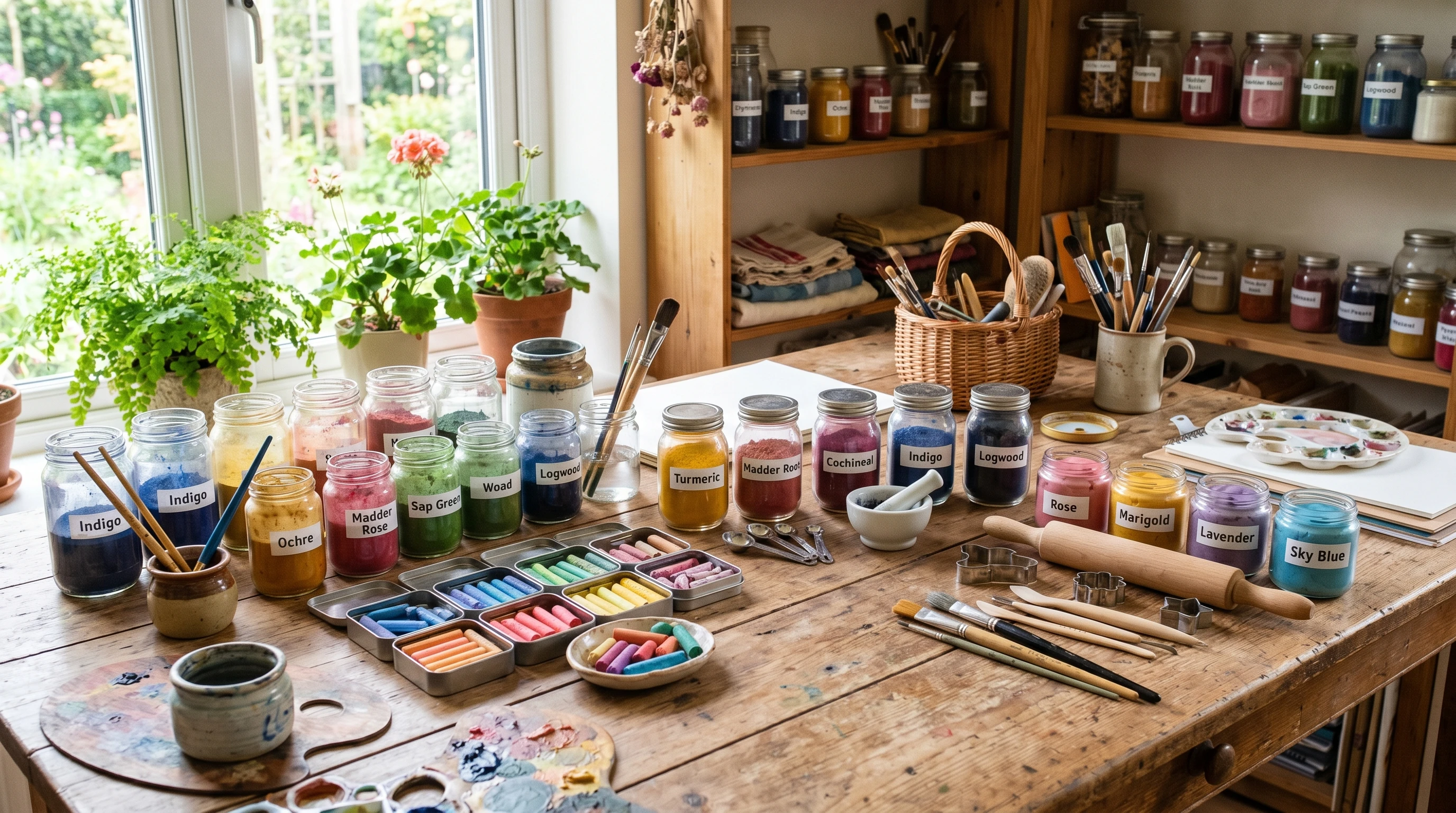
Most DIY art supplies rely on kitchen basics such as flour, cornstarch, food coloring, baking soda, and vinegar. For some recipes, you’ll need a saucepan, a mixing bowl, measuring cups and spoons, and airtight containers. If you want natural colors, you might use spices, tea, or fruit juices.
Handy Supplies for DIY Art Projects:
- Old jars or food containers (for storing your creations)
- Small bottles with lids (for paints and inks)
- Mixing bowls and sturdy spoons
- Gloves if you are working with strong food dyes or natural pigments
Label everything you make. It is super easy to forget which color is which after a few days, and labeling will save you hassle later.
Step 3: Simple Recipes You Can Try
There are several easy homemade art supply recipes you can try at home. These recipes are a fun way to get into crafting and customize the supplies to your needs. Here are a few:
Homemade Watercolor Paints
- 4 tablespoons baking soda
- 2 tablespoons white vinegar
- ½ teaspoon corn syrup
- 2 tablespoons cornstarch
- Food coloring (liquid or gel)
1. Mix the baking soda and vinegar in a bowl; it will bubble up!
2. Once the fizzing stops, stir in the corn syrup and cornstarch until smooth.
3. Spoon the paste into a muffin tin or small cups.
4. Add drops of food coloring. Mix each well for vibrant colors.
5. Let them dry overnight. Wet your brush to use as you would any watercolor.
DIY Chalk Pastels
- 1 cup plaster of Paris
- ½ cup water
- Powdered tempera paint (or crushed colored chalk for coloring)
1. Mix the water and tempera/chalk first. Slowly add plaster of Paris.
2. Pour into silicone molds or shape by hand (wear gloves).
3. Let the pastels dry fully (can take up to 24 hours) before using.
No-Cook and Clean-up Playdough
- 2 cups of flour
- 1 cup salt
- 2 tablespoons oil
- ¾ cup water
- Food coloring (optional)
1. Mix flour and salt in a bowl. Add oil and water.
2. Knead until smooth. Add food coloring for fun shades.
3. Store in a sealed bag or jar so it won’t dry out.
If you want to try making glue from cornstarch and water on the stove, you’ll get a great, non-toxic paste, perfect for collages and paper crafts.
Step 4: Focus on safety, storage, and clean-up. Always check if ingredients are child-safe or food-safe, especially for supplies meant for kids, to ensure safe use and peace of mind. Taking these precautions helps you feel secure and confident while creating and using your homemade art supplies.
Some natural pigments and household ingredients can irritate skin, so always wear gloves if you’re unsure. Check if ingredients are child-safe or food-safe, especially when making supplies for kids, to prevent skin reactions and ensure safe use.
Homemade supplies lack preservatives and spoil more quickly. Store paints and dough in airtight containers in the fridge, and if you notice mold or a funky smell, discard and make a fresh batch to stay safe.
- Store water-based supplies in the fridge and use them within a week or two.
- Label containers with the date you made them.
- Keep supplies out of reach of pets and young kids unless you are supervising, just to be safe.
Wiping up messes as you go saves a lot of effort at the end. Many homemade supplies clean up with just water and a sponge, making aftercare simple.
Step 5: Troubleshooting And Customizing Your Supplies
Common Problems & Solutions:
- If your paints are too runny, add more cornstarch or flour.
- If the dough is sticky, sprinkle in more flour as you knead.
- If colors are dull, use gel food colors or natural pigments (such as turmeric or beet juice).
You can change these recipes a little at a time until you get the consistency or brightness you like. Try adding essential oils (just a drop or two) to scent the dough, or experiment with unique textures by mixing in sand, glitter, or small beads for creative effects. Allow your creativity to set you free and invent something eye-catching for your artwork. Embracing experimentation can make the process more enjoyable and boost your confidence in exploring new ideas.
Frequently Asked Questions:
Will homemade art supplies stain clothes or surfaces?
Some of them might, especially if you use food coloring or natural dyes like beet juice. I always cover the table and have kids wear old shirts when we’re using homemade paint or dough. It’s good to keep an eye out for staining potential and spot clean as needed.
How long do handmade water-based supplies last if stored in a dry place?
It really depends. Water-based supplies last about a week in the fridge, while dry clays and pastels can last much longer if stored in a dry place. Always check for mold or weird smells before using. Remember, keeping an eye out for changes is key.
Are these recipes safe for small children?
Most of them use food-based ingredients and double-check for any allergies. For toddlers, I pick salt dough and non-toxic glues and skip the strong dyes. Safety always comes first.
Can I use natural materials like berries or vegetables for colors?
Absolutely! Blueberries, spinach, turmeric, and red cabbage make great colorants. Extract juice and mix it into playdough or paint for a totally natural approach. You never know what new color you’ll stumble upon when you try something from the garden or kitchen.
Next Steps and Creative Ideas
Homemade art supplies uncover tons of possibilities for experimenting. Once you get the basics down, you can create custom colors, textures, and even your own recipes. I like making supplies with kids as a rainy-day activity or as part of a themed craft session. When taking on new projects, it boosts your creativity and makes each art session memorable.
Here’s how to get started:
1. Pick a recipe from above and gather what you need.
2. Test it out, making small batches at first.
3. Experiment with colors, scents, or extra add-ins.
Handmade supplies bring an extra touch of creativity to every project. If you have a favorite recipe, I would love to hear about it in the comments! Jumping into handmade supplies not only adds fun to art making but can also be a great way to connect with family and friends.
Making our own handmade art supplies is a great way to save money for my passion for my art projects. Before reading this I had no idea this was possible, you have taught me something brand new today.
The step-b-step guide makes this super easy for anyone to do, I thank you for taking the time to write and share this.
Jeff
Thank you, Jeff, for your comment. I, too, learned something new while writing this post.
Heidi